Tuesday, March 16, 2010

Ikusa Otome Suvia Oav

Tempus Fugit

Tempus fugit
dialogue between ancient and modern.
Isabel Cuadrado

March 25 to June 25, 2010
Antiguitats Palau, Calle Gracia , 1, Barcelona
Monday to Friday: 11 to 14. and from 17 to 20h.


What is the time, but the living space that has been granted? Is the dimension that fits your life, where everything happens to us, which limits us. A fraction of eternity, a succession of moments commencing not choose and it is our unique and fragile possession. Individually, life and time are so closely linked that no one without the other. Time is essential matters of the human.

"As we speak, envious time escapes ..." wrote Horacio . And that fleeting sense of time, the transience of life, has inspired writers of all time. The works of Goya , De Vos, Della Bella, Piranesi, Hogarth , Stradanus , Battoni , Goya , Kubin and other artists can be seen in this exhibition bear witness it. To work as finished and perfect, one wonders if the subject is exhausted. Isabel Cuadrado ( Oviedo, 1965) addresses this issue to show the relevance of the theme and updating by an artistic and conceptual radically different.

face of the Fates weaving the destiny of men, the scenes of desolation, or the fleshless skeletons that proclaim the death, Square provides us with extraordinary cleanliness and simplicity, a naked truth. A really quiet, private anguish and fear, without threats. And it is true sober resource: the written word - she knows how to use masterfully in his dual role as graphics and vehicle of ideas - the thread, clocks, all evidence of everyday life.

The artist, therefore, wisely uses everyday to insert in it your point of view on human beings, their own perception of time and what it happens. And send the viewer a direct appeal: it's you who is directed that word out of yarn that has been Loose is for you - not the Fates - decide what to do with it. The needle going around and around on a blank area repeating the word now call to action.

Square denies inexorable. Does not grant any power to the gods or the destination but aims directly individual responsibility: every human being has the capacity to decide, is holding the reins of his life and may opt to ride on time or be overwhelmed by it. Ethical reflection as essential as today.

Isabel Barceló Chico. Writer.


Related

Sunday, March 14, 2010

Wisdom Teeth Causing Ear Problem

Towers of Hanoi

Introduction

The Towers of Hanoi is a mathematical puzzle or game invented in 1883 by French mathematician Eduard Lucas.Este solo is a set of eight discs of increasing radius to be stacked back into one of three stakes on a board. The objective is to create another stack of cuttings by following certain rules. The problem is well known in computer science and appears in many textbooks as an introduction to the theory of algorithms.

In its most traditional form, consists of three vertical rods. In one of the rods are stacked any number of disks (made of wood) to determine the complexity of the solution, generally considered eight records. The disks are stacked on a rod in decreasing size. No two identical disks, all of which are stacked from largest to smallest radius of the rods, leaving the other two vacant rods. The game is to move all the disks in the rod busy (ie the one with the tower) to one of the other rods vacancies. To achieve this objective, you must follow three simple rules:

1. You can only move one disk at a time.
2. A larger disk can not rely on one smaller than himself.
3. You can only move the disk that is on top on each rod.

There are several ways to make the final solution, all following different strategies.

Dan Doctor In Arizona


Recursive Algorithm Pseudocode

hanoi (n, source, destination, auxiliary)

if n = 1


then move a disk from the tower to the tower source destination / / {} solution of the recursive method

if

/ / {n-1 disks to move the tower to the tower auxiliary source}
call hanoi (n-1, source, auxiliary target) / / recursive call} {
Move a disc from the source tower to the destination tower

/ / {n-1 disks to move the auxiliary tower to tower

destination} method call hanoi (n-1, axuliar, destination, origin) / / recursive call} {


order order


Iterative Algorithm Pseudocode
/ / the arguments origin, destination and axuliar are variables representing the three towers of the original problem (may be structures or simply the name of each tower, in this case represent only the name of the towers is therefore assumed to be in text format).
/ / n is the number of disks
/ / Pilane, battery, and battery are Pilad type structures
BATTERY / / stop is a variable of type integer.
/ / varaux is a variable of type text (in this case because the towers are represented only by name, ie, this variable must be the same type as origin, destination and auxiliary)
/ / flag is a boolean type variable

iterative solution (n, source, destination, auxiliary)

to stop = 0 and flag = false
repeat while (n> 0) and (flag = false) repeat

while (N> 1)

/ / are stored in the battery current values \u200b\u200bof the parameters
stop = stop +1
Pilan [top] = n
stack [top] = origin
Pilad [top] = stack desthio
[top] = auxiliary

n = n-1
varaux = destination = destination
auxiliary aid = varaux


End / / end repeat while (N> 1)

move disk from source to destination
flag = true

if top> 0 then / / means that the batteries are empty

n = Pilan [top]
origin = stack [top]
target = Pilad [top]
auxiliary = stack [top] top = top-
1

move disk from source to destination

n = n-1
varaux = source source =

auxiliary aid = varaux


flag = false end / / end if top> 0 then
End / / end repeat while (n> 0) and (band = false)
End / / end method

Pokemon Roms Heart Gold


recursive algorithm

The Tower of Hanoi, often appearing as an example to illustrate the concept of recursion in computer programming courses, as there is a surprisingly simple recursive algorithm that solves it (in case anyone does not know, an algorithm is recursive if it calls itself in one of its steps.) Suppose we want to move the eight albums post A to post C. As the disc 8 is always the bottom, the only way is to move first seven-disc tower 1 ... 7 to pole B. Then we can take the disc 8 from A to C, and finally again have to move the tower 1 ... 7 runs from B to C.

But discs 1 ... 7 form a tower similar to the initial full well that in two of the three previous steps we face a problem similar to the original. In fact it can be solved in the same way, moving Now the tower 1 ... 6. For example, the first step (move the tower 1 ... 7 from A to B) can be decomposed into three steps.

Of course, in two of these three steps we meet again with the original problem, now with n = 6. The process is not infinite, since it comes in a tower that is equivalent to moving a single disc (this occurs when the tower is a single disc, of course). In summary, the recursive algorithm is as follows.
algorithm to move the tower 1 ... n X pole to pole Z, using as auxiliary pole Y.

1.-If n = 1, Disc 1 takes X to Z and ends. 2.-Move
Tower 1 ... n-1 using this algorithm, from X to Y, using as auxiliary Z. 3.-Take
disk n from X to Z. 4.-Move
Tower 1 ... n-1 using this algorithm, Y to Z, using as auxiliary X.

This algorithm has always seemed surprising, it seems the definition of a problem resolution. In reality, all it does is specify a few steps inevitable. For example, as we saw before, to solve the puzzle is required to bring the disk n from A to C, and it is compulsory to wear before tower 1 ... n B, etc. The sequence of motions produced by this algorithm is the only optimal solution (ie minimum length) as possible. The number of movements is M3 (n) = 2n-1, as can be shown easily by induction on the number records.

is true for n = 1

M3 (1) = 1 = 21-1.

If true for n, holds for d +1

In implementing the algorithm for n +1 calls itself twice for no more than a movement of the disk n +1. So queM3 (n +1) = 2 × M3 (n) + 1 = 2 × (2n-1) + 1 = 2n +1 = 2n +1-1 +1-2.

For n = 8 the number of movements is 28-1 = 255. For n = 64, 264-1 = 18,446,744,073,709,551,615. If the Brahmins of Benares site change a disc every second would take more than five hundred eighty billion years to complete their task, some forty times the age of Universe.

recursive algorithms work well with computers, but are difficult to apply to a human. If you try to solve the tower of eight disks using the method described is easy to miss unless you go taking notes of where to go. Even for computers recursive algorithms are often wasteful in the sense that they consume enough memory (and they also need. The alternative to recursive algorithms are iterative, in which no calls himself, but a or more loops. Very often there is no known or iterative alternative to a recursive algorithm, and when it is known, often much more complicated version recursively. However, in the case of the Tower of Hanoi, there are several very simple iterative algorithm.


South Indian Reception Hairstyles

Pseudocode Examples

iterative algorithms
Before searching for an iterative algorithm to reemphasize an important detail. Although we speak of various algorithms, the optimal solution (the less movement, as we have seen before, for n = 8 is 255) is unique. In other words, the series of moves that results from applying an algorithm (optimum) will either be always the same.


An Observation key to finding an iterative algorithm is that the smallest disk is moved after another, one might not. The first move must be done with disk 1. It is clear that after moving the disk 1 (at any time) must move a different disk (if you do not want to waste time moving the same disc multiple times.) This movement must be made between the two posts that do not contain the disk 1. Then we do not are only two choices: undo the last move, which makes no sense, or return to move the disc 1. Also, when you touch your turn to a disk other than 1, the movement will be fully determined and will intervene only two posts and two posts there is only one possible move. So only when there can be no doubt that moving the lower disk. We leave this question with respect to any of the following rules.

-The small disk must always move cyclically in the same direction, clockwise (from A to B, B to C and from C to A) or left (A to C, C to B and from B to A), as the number of disks is even or odd respectively.
-The small disk should always be placed either on a disk number, either as a single disk in the post of destination (C) if the record number is odd or the other (B) if pair.

Given the first rule is constructed an algorithm discovered by Peter Buneman and Leon Levy.

1.-If n is even, disk 1 moves to the right. If is odd, move to the left.
2.-If all the disks are in C, end. If not, move a disk other than 1 and returns to step 1.

Considering the second rule, the algorithm could be next.


1.-If possible, bring the hard disk 1 on a number. If not possible, take it to the post B if n is even or C if n is odd.
2.-If all the disks are in C, end. If not, move a disk other than 1 and returns to step 1.
To make this algorithm easier to implement, can be painted even and odd discs of two different colors. Even You can paint the base into three pieces, as shown in the figure (it is as if the pieces were based disks n +1, n +2 and n +3).

Exertional Compartment Syndrome Blog


Pokemon Emerald Gameshark Cheats For Gpsphone


Puzzle With this version of the latter algorithm can be written as follows:

Take disk 1 on disk (or piece of base) that is not the same color.

"If all the disks are in C, end. If not, move a disk other than 1 and returns to step 1.

- Disc smaller is not the only one not ever put on another of a different color,
at any time there are two discs of the same color together.

Sunday, March 7, 2010

Gta Unhandled Exception C000005

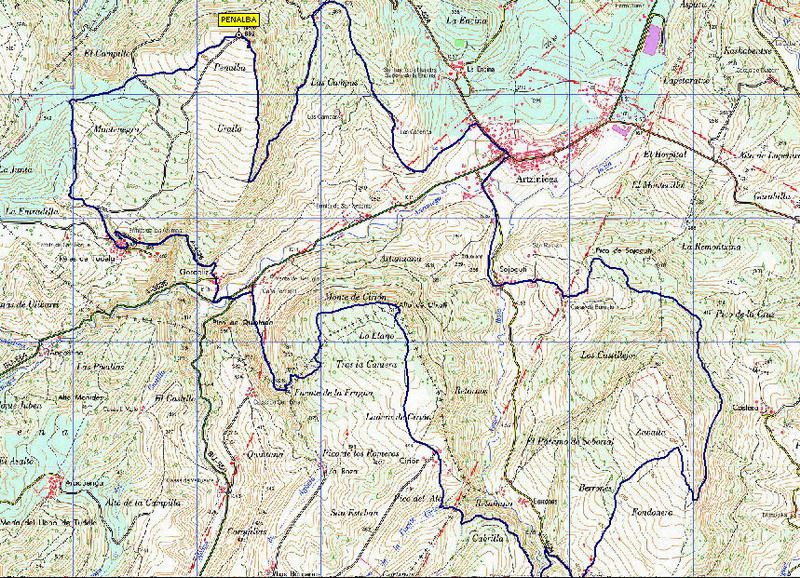
2010_03_07 Martxa Artzeniega

To listen:


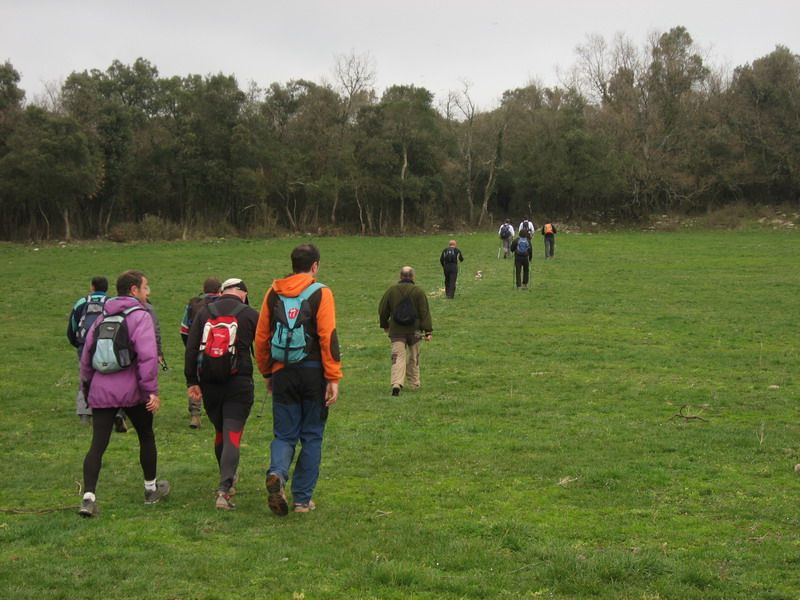
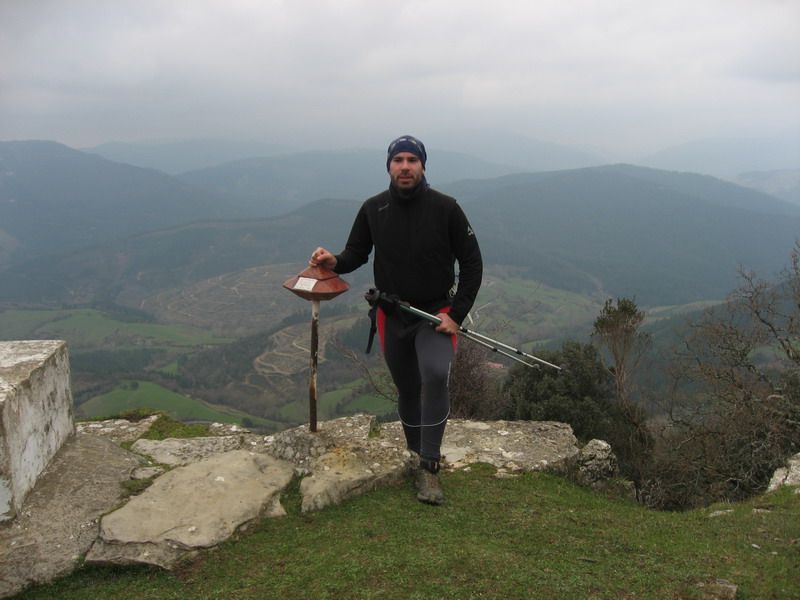
Well, well, well .. first martxa 2010. This year, for reasons that are irrelevant now, I do not ask too many martxas, at least during the spring and summer, I hope to do some more from September to October. So I can now though, had to be seized. And besides, if it was to support our presence in the first edition of a martxa, the appointment was inexcusable. The martxa organized
by Mendi Taldea Ganzorrotz over a distance of 24km ran touring the Artziniega alredededor do not know if it will be for the lack of training, the rhythm that carries (more than 5km / h on average) or there was a continuous rompepiernas, It took me more than I expected. The case is that the output was at 8:00 a.m. to 12:45 pm and I was already tasting the sausage pintxito Artziniega that offered the organizacion.Vamos, I was not slow. Well, if it increases with the speed of tractor short, but I like Indurain, the falls to death! Kotxinero trot and pa'abajo

Tour:


On paper:


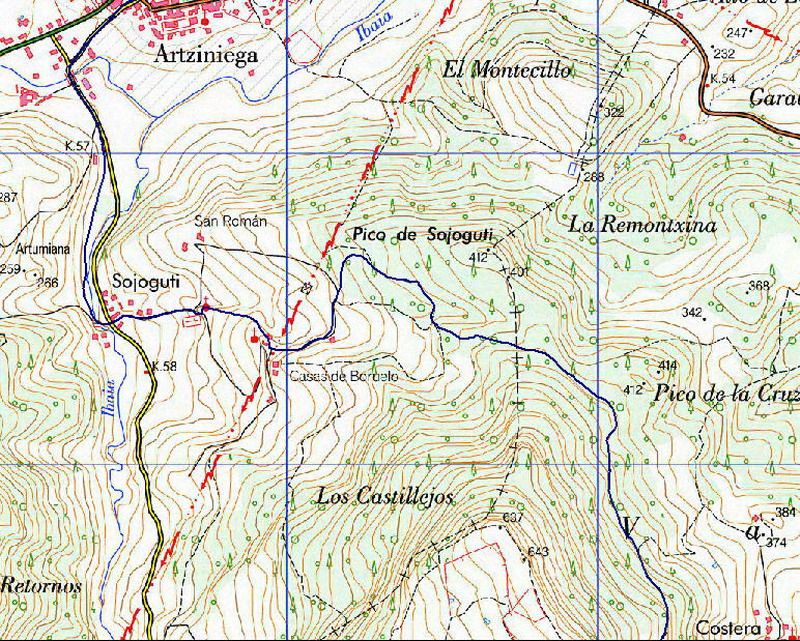
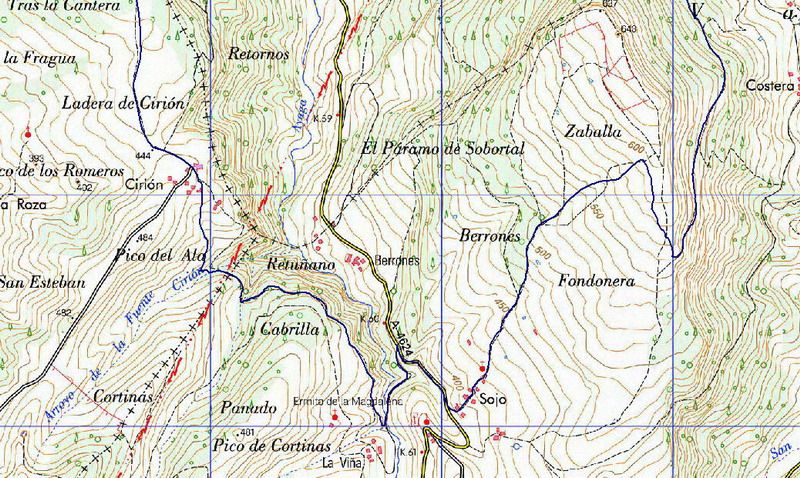
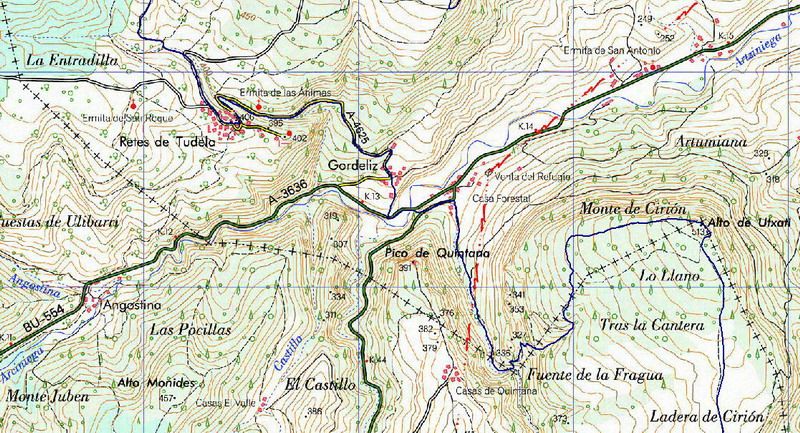
With more detail


Profile


More information:

Area: Sierra / Massif of Montenegro
Access: Artziniega (Araba)
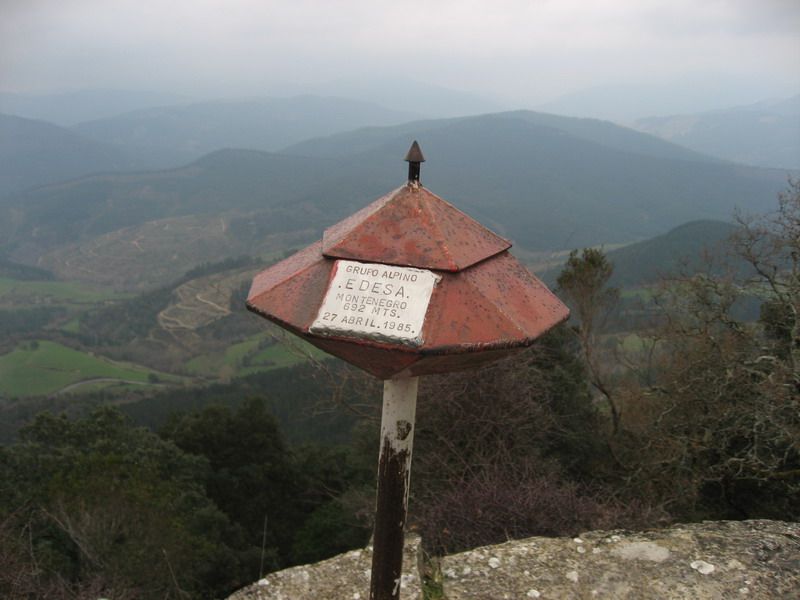
Summit: Zaballa (638m), Utxati (511m), Peñalba (692m)
Travel Distance: 24.4 km
ascent: +1160 m

More info:
Zaballa
Peñalba
Utxati

We
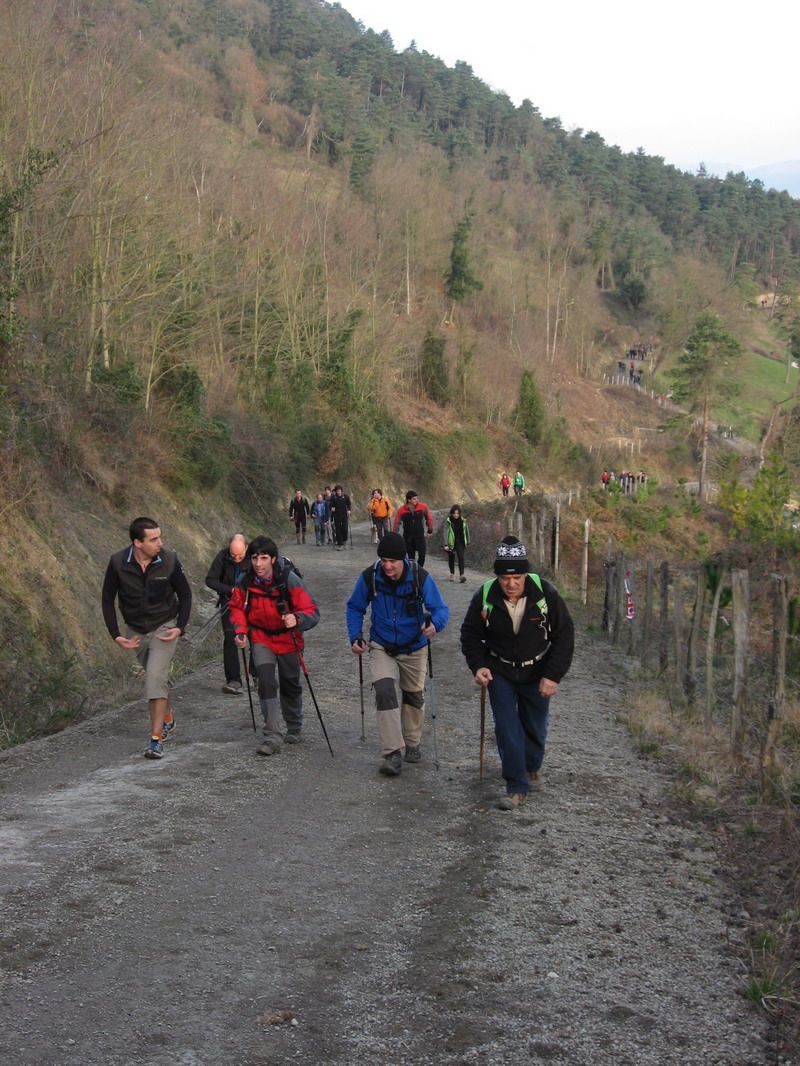
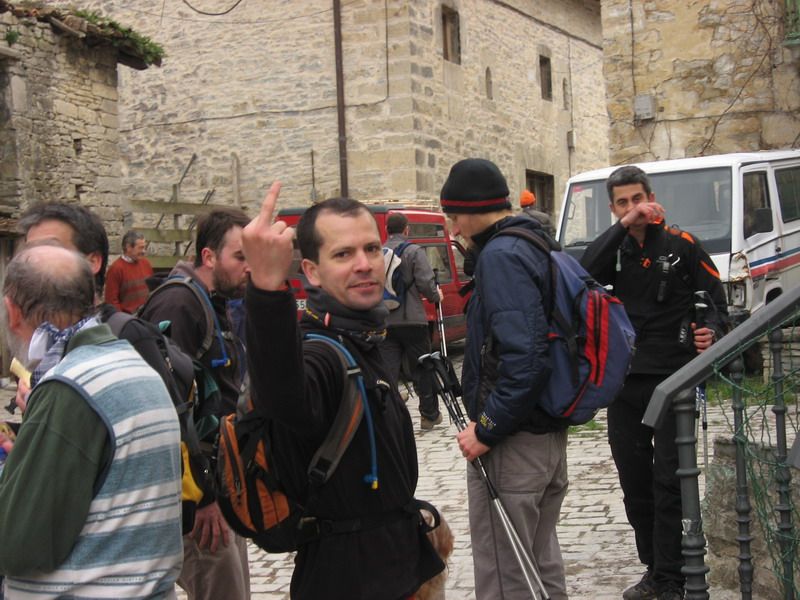
with photos ... There are not many because between going with the tight squeezing pa Culillas keep up and the day was gray, the truth is that I seem to throw many pictures, but the odd if there is ...

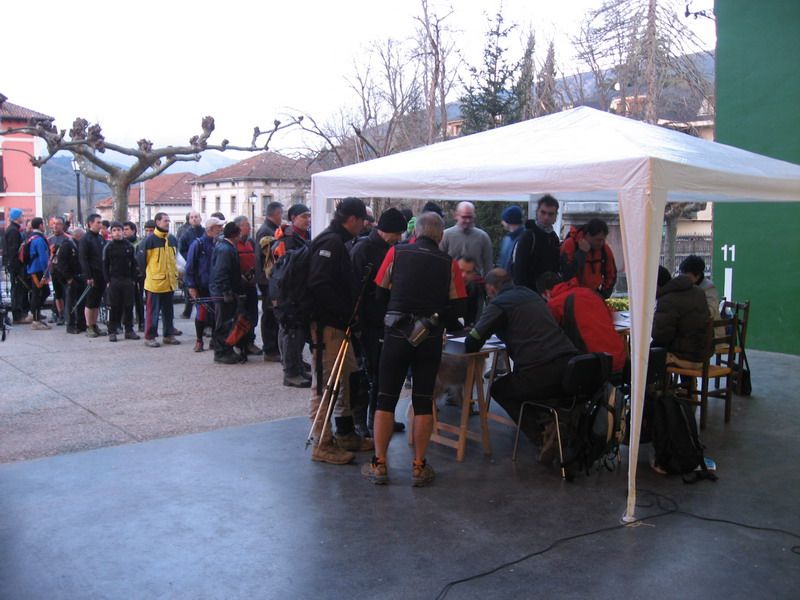
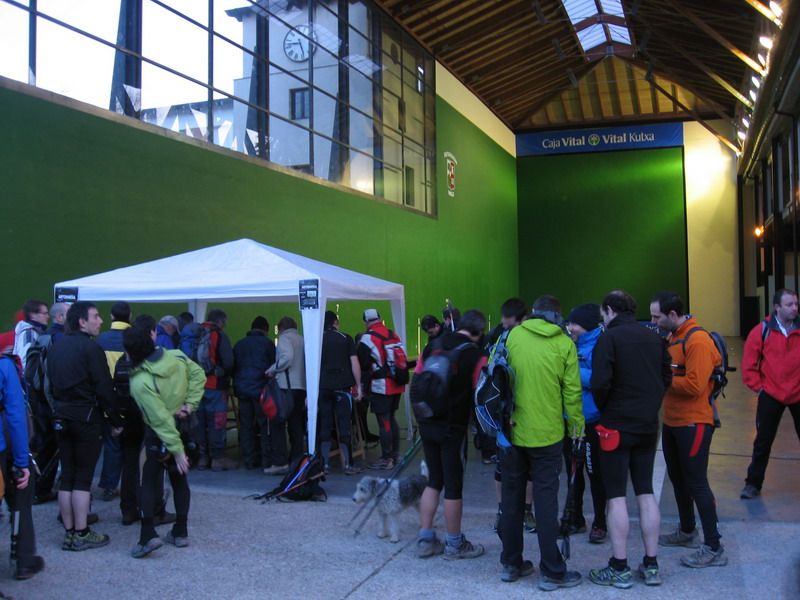
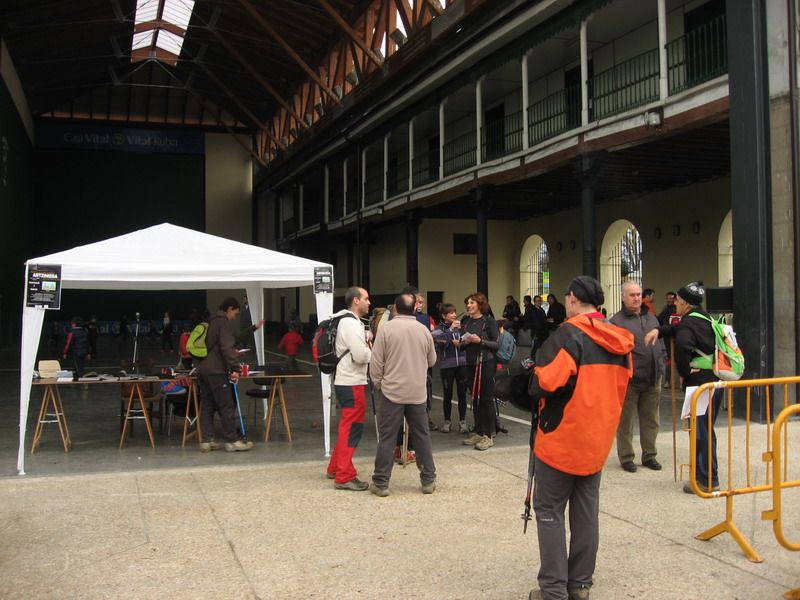
enroll in the fronto ... although there was the possibility of pre-enroll in advance via internet, most people rush to the last minute. And that was the martxa FREE (something not very common today)


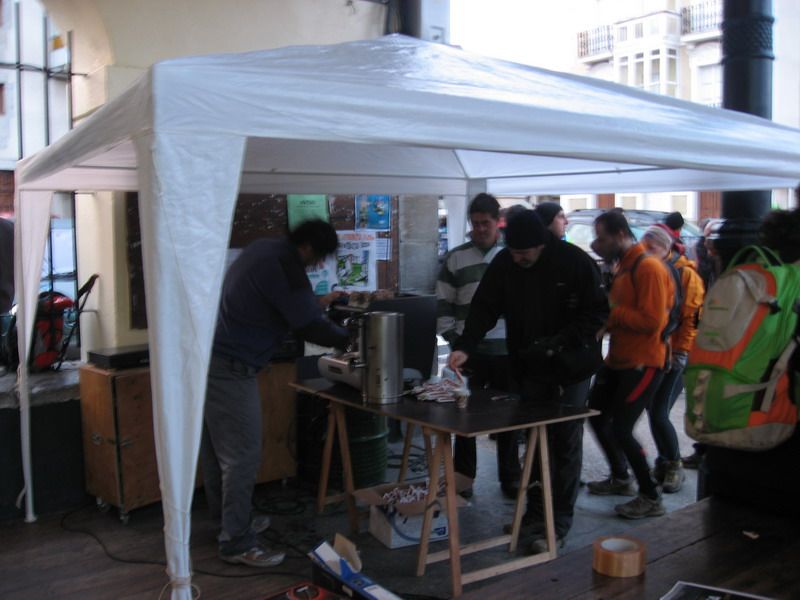
cafelito Free and gave you before you leave. A luxury!


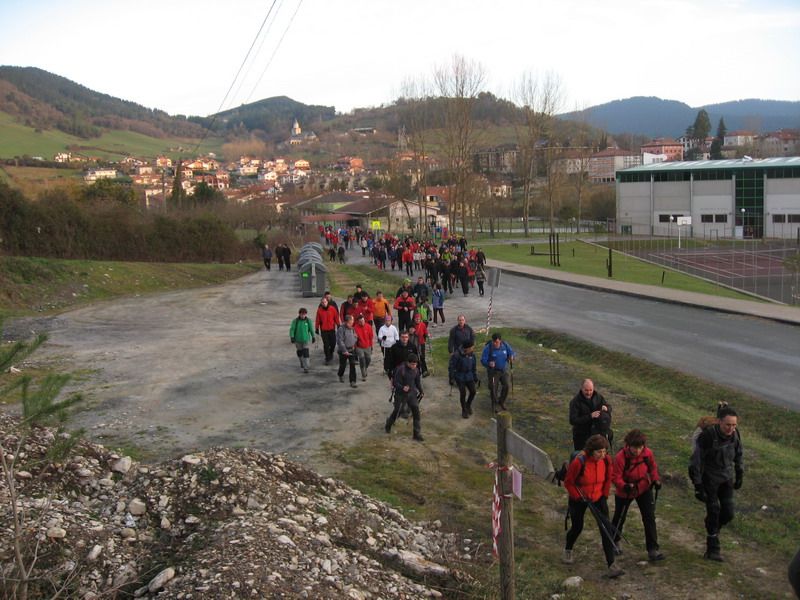
Sojoguti We go way


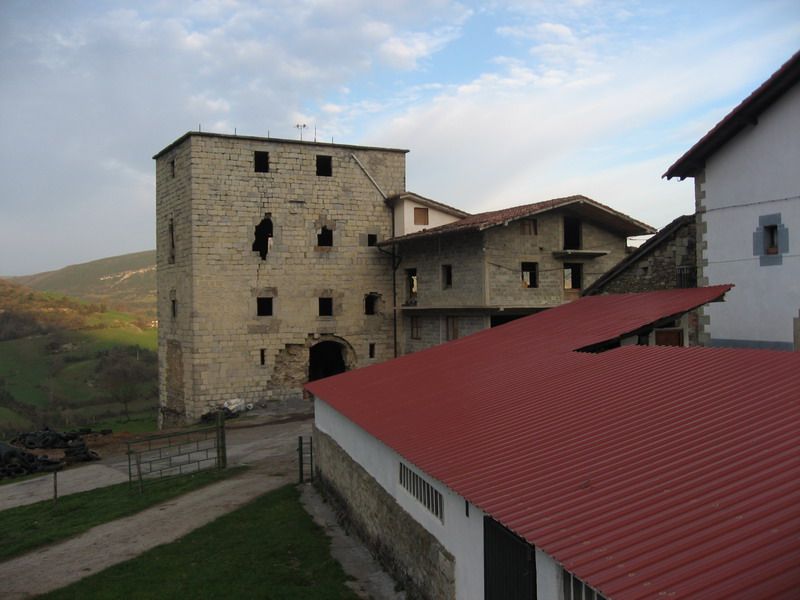
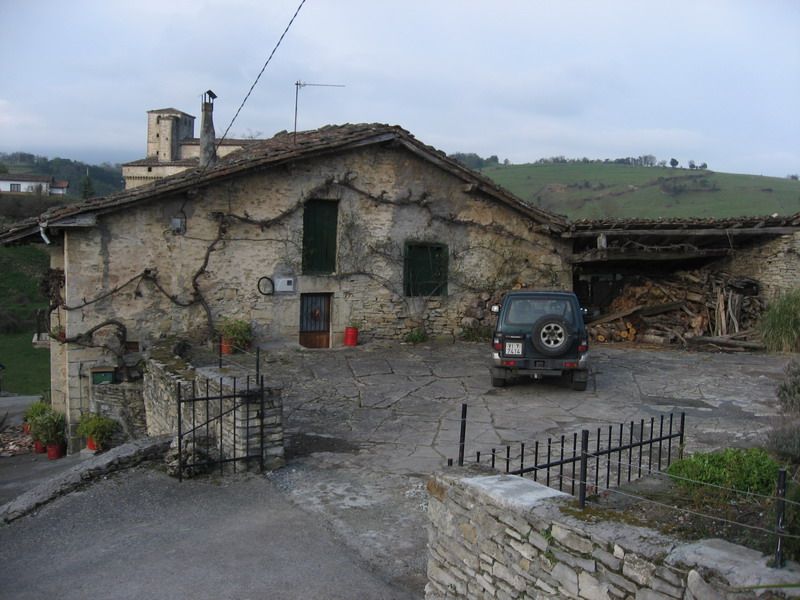
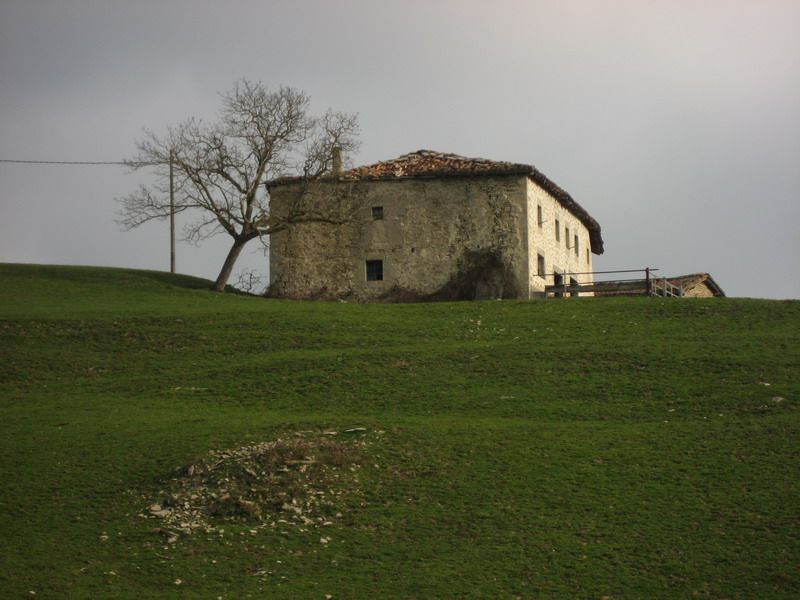
In the area of \u200b\u200bthe houses Boruelo I though, well, and throughout the area, as used as stables and old houses. The photo is like a tower house, but ordinary farmhouses of stone, with cows as the only inhabitants, had more than one ...


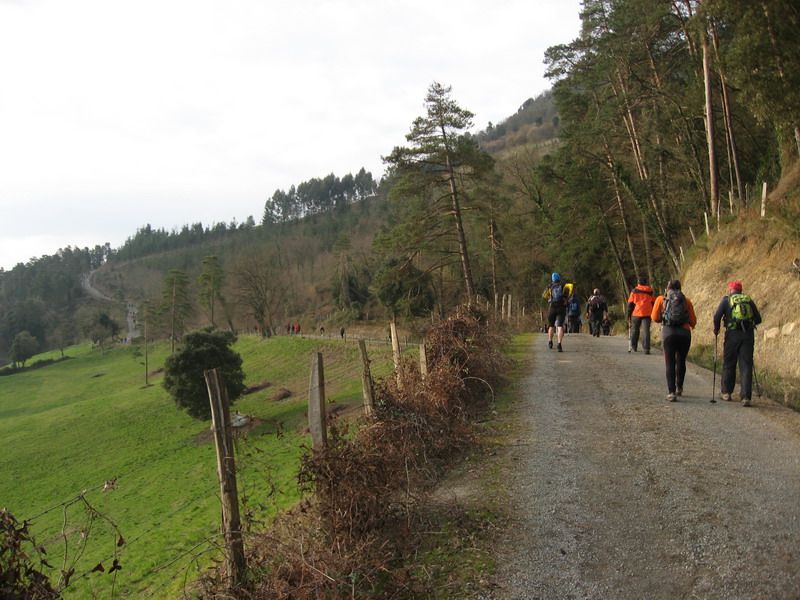
In the first slopes towards the Zaballa, although the track was concreted, and you could see the slope.


to see if we hold the "good time", which even made fresh, at least we did not rain ...

foreros
's presence was abundant ... Mintxu, Koko, Basurde ...


uffff .... Pindi it gets ... peaaaaaaso costs!


look back ...


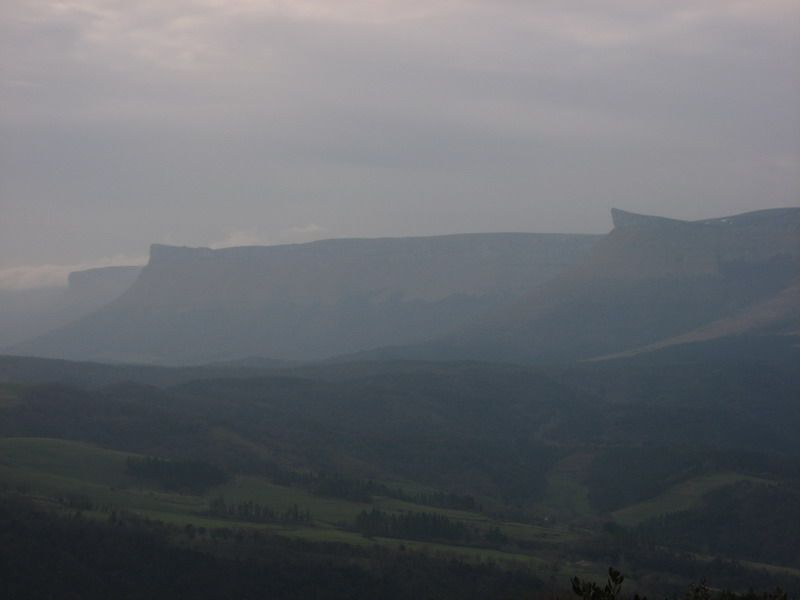
The prows of Gorobel / Sierra Saved


After passing the Zaballa, down to Sojo. Here is one of the many farmhouses ...


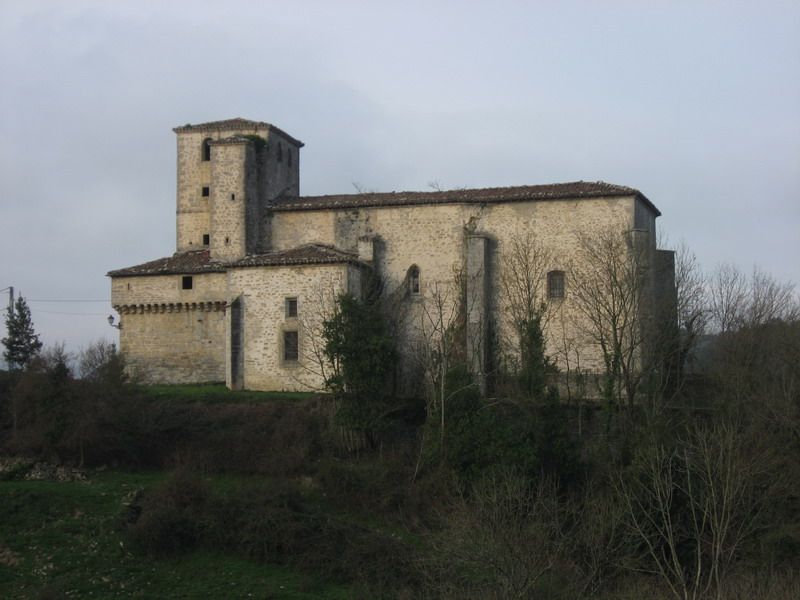
And your church told me that according to a native-native in the area, is the third of what came to be ...


About Cirion. It seems that time has eventually become a little gray ...
Last

costs before reaching
Cirion


if not will be on sale, but farmhouses around here ... is to give and give ...


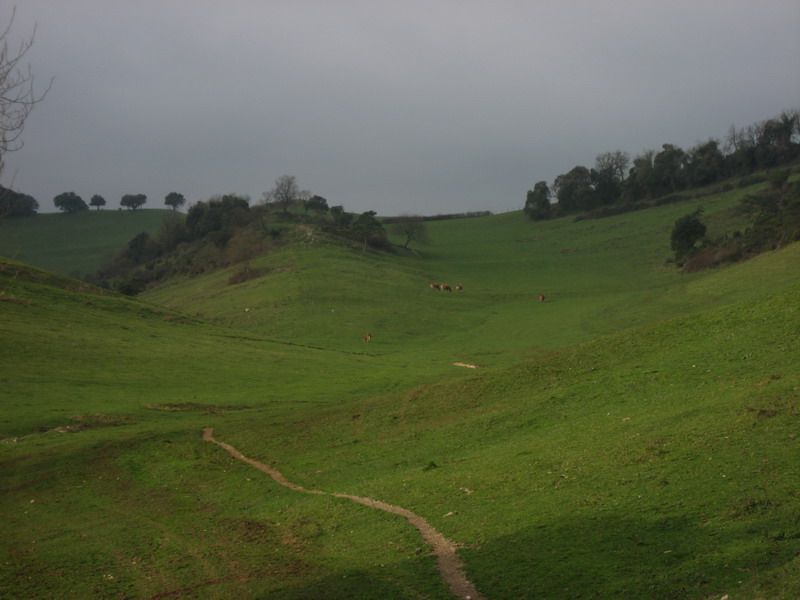
Utxati Road (after the descent to the road through a forest of oaks Cantabrian, wapa muuuuuuuuu!)


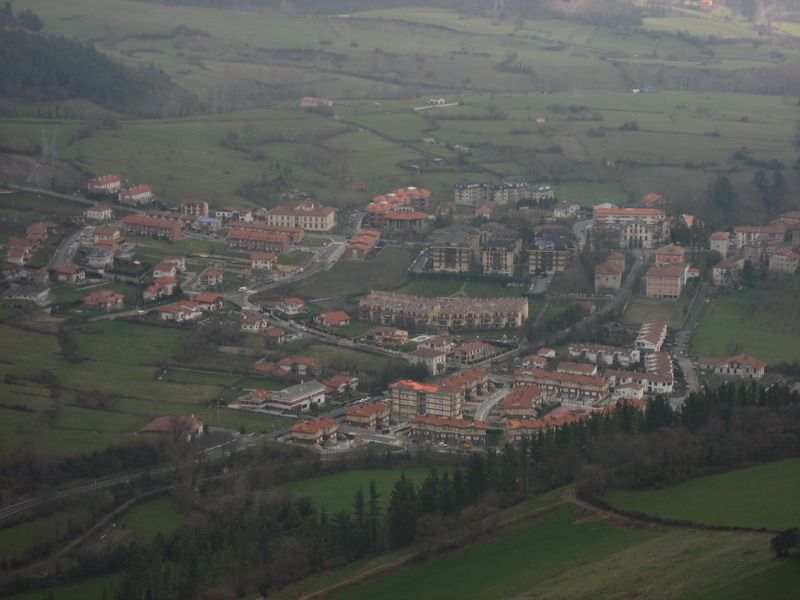
down there is Artziniega


Uffffffffff ... to walk again ...


"Prey time" in Retes of Tudela, quick snack and go route, which was not the time to stay standing for a while.


Some do not lose morals. This is how a real martxista be welcomed;) Animo Koko & Heidi Bruno! ;)


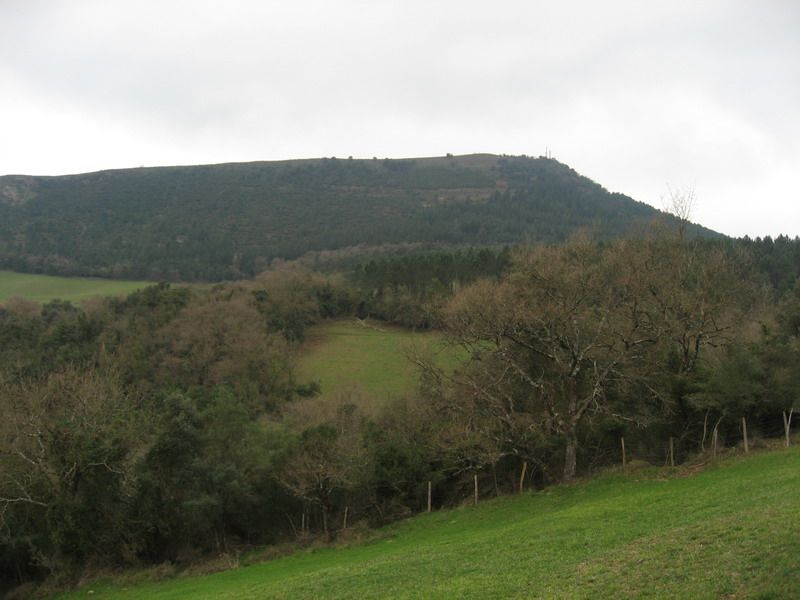
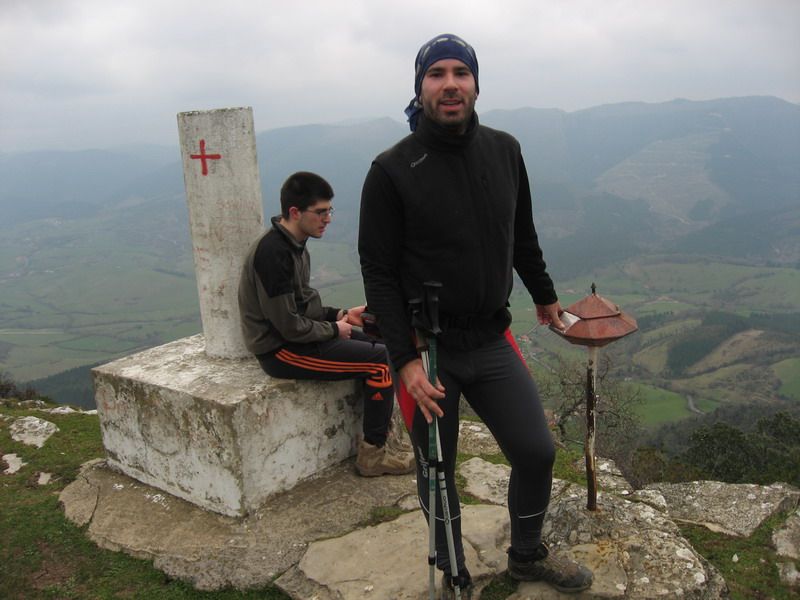
And more (although I get fundidito), we reached the top of Peñalba

txabal
to see ... You will not move no ...


Finally I had to ask where I made the picture to come out on top by myself.


And from there, trotting down to Artziniega kotxinero.
already coming to town, look back ...
Peñalba

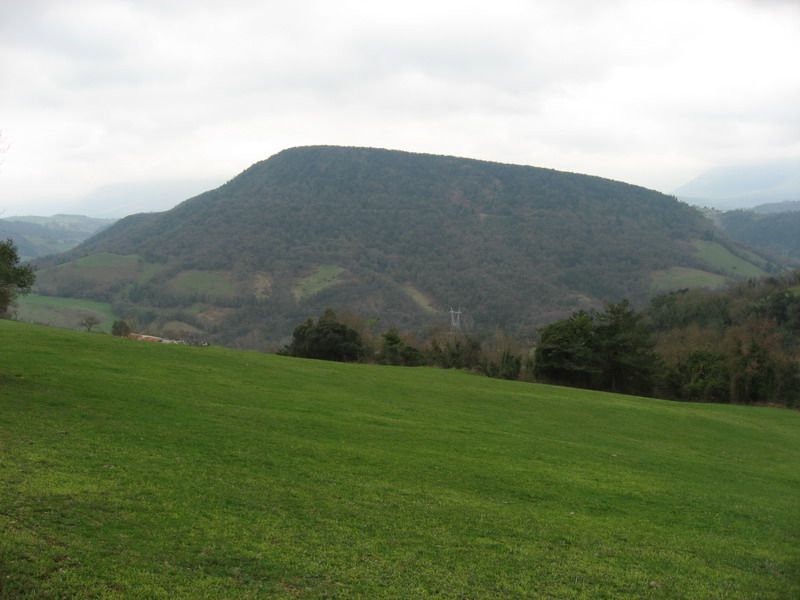
And Utxati


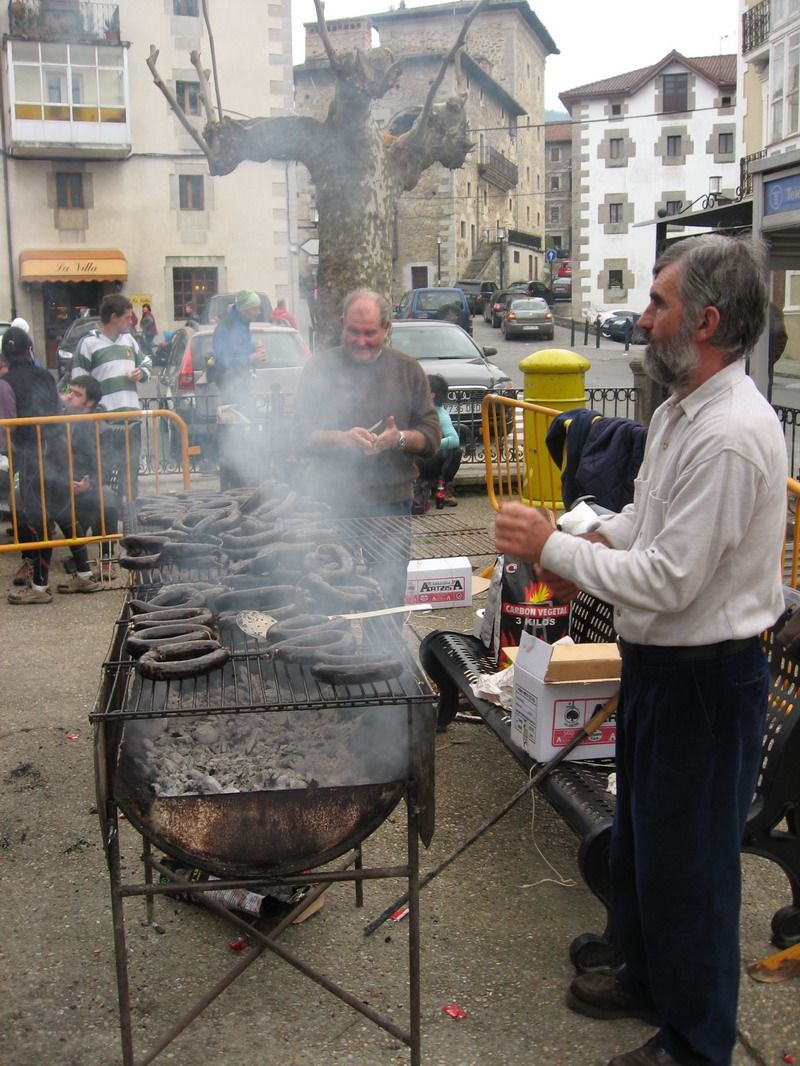
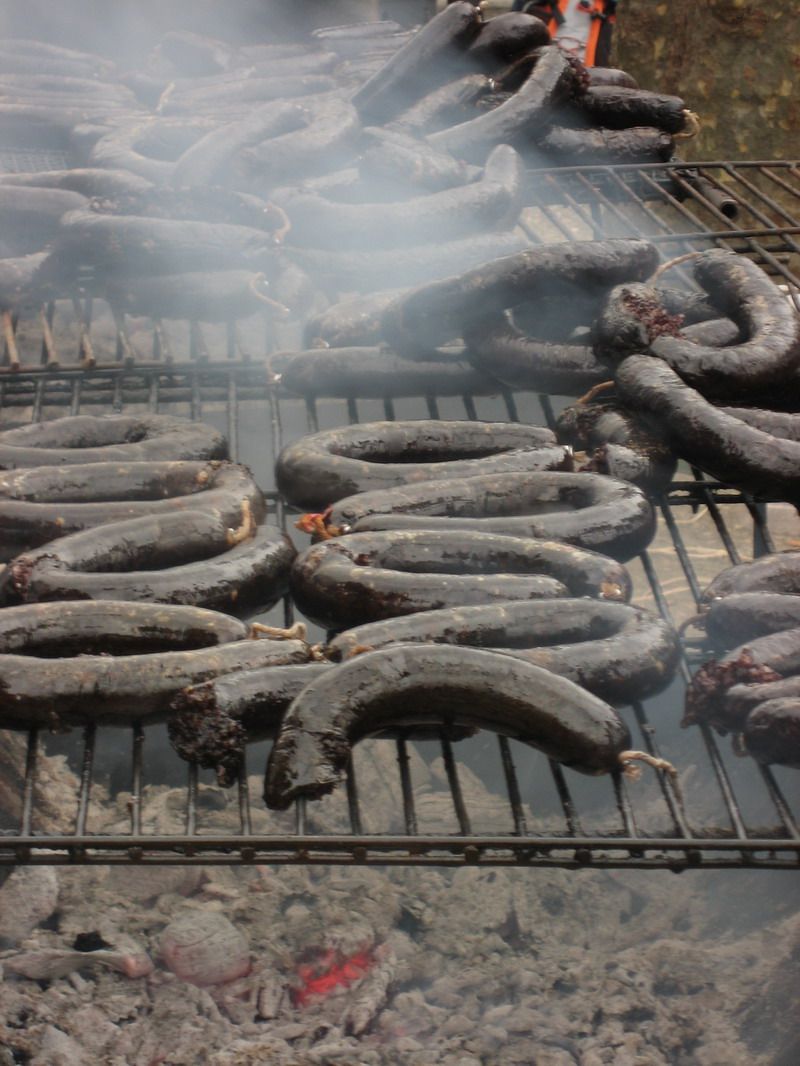
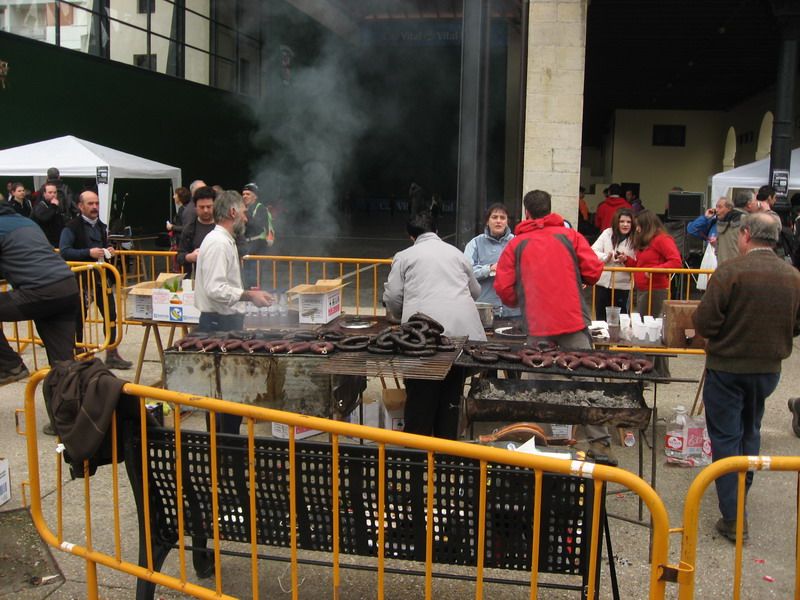
Y. ......... best! That Obscure Object of Desire ... Artziniega the famous sausages! No, they were not bad ...


Sera that true that what we eat is grown ?¿?;)

And finally one from the fronton ...

Oh, sorry, is that the subconscious fool me ....

Now if ...


Until next time!

Thursday, March 4, 2010

Dangers Of Neilmed Sinus Rinse

L'art du / sur papier 50 and the mother


L 'art du / pa southern foot r
Group exhibition in Prades (France) Japanese paper Graphic Inshu